
Private payors spent a collective $37 billion on health care in 2024 out of a total Canadian health-care spend of $372 billion, with the benefits industry continuing to see unprecedented advancement in technologies such as data analytics and artificial intelligence.
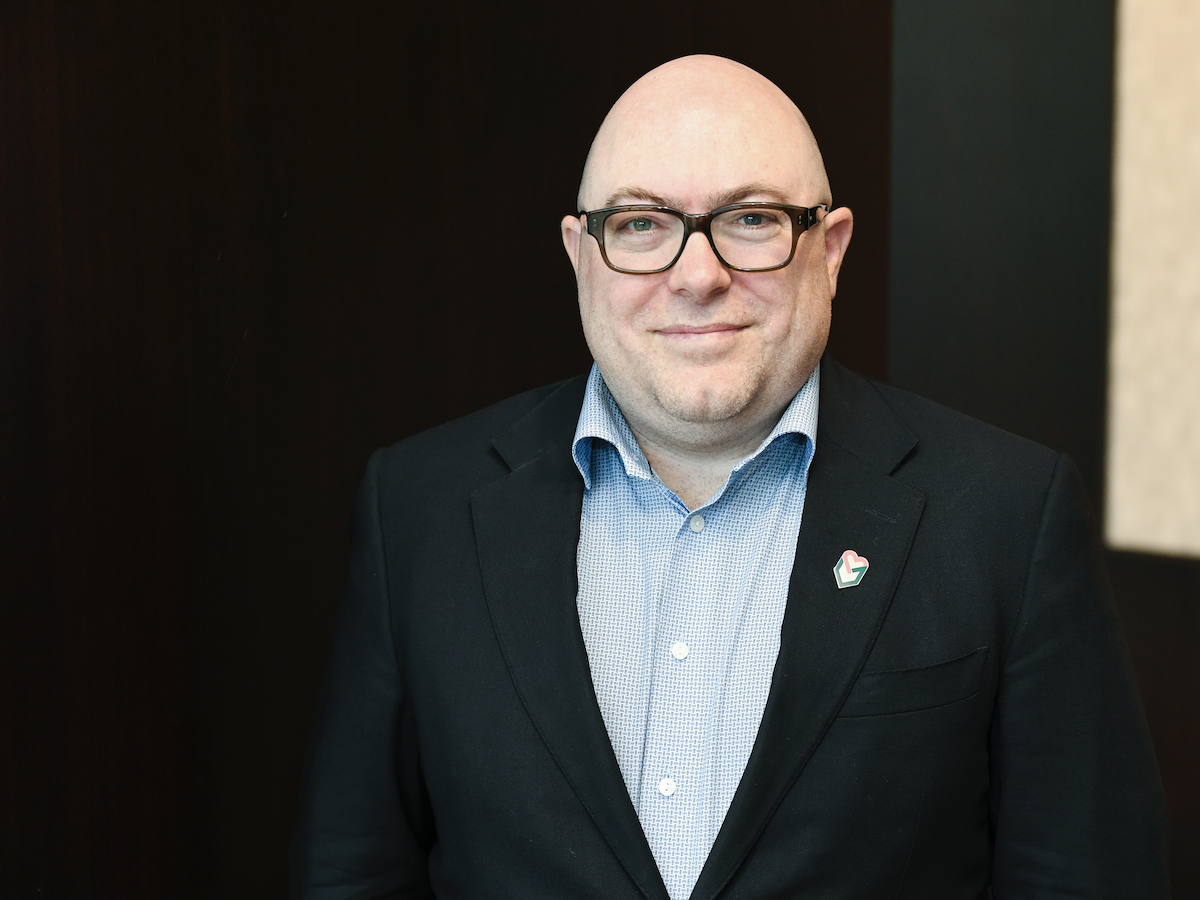
Despite this, “we’re still not actually nudging substantial health outcomes,” said Dr. Andrew Bond, senior vice-president and chief medical officer at GreenShield, in a session at Benefits Canada’s 2025 Healthy Outcomes Conference “Not just us, but the public system, too. And we’re seeing increasingly that we have employees, patients and clients who are disaffected and feel disconnected from their care.”
Read: The ‘ghost benefits’ gap: How employers can ensure their offerings are used, understood by employees
Integration between payors and providers can contribute to better health outcomes, he noted.
Sharing user data from GreenShield’s platform, which combines mental-health and well-being supports, telemedicine, chronic disease management and a digital pharmacy, Bond said it has more than a million registered members, with a quarter logging in monthly and 97 per cent of this group returning within a month. On average, he said, plan members access the platform seven time per month and around half of users are “cross-utilizing” services, meaning they log in with one purpose and then engage with another service in the same visit.
“They might be coming [to process their claim] but then they’re thinking, ‘Oh, I have these other pieces here.’ They’re getting signals to say, ‘Have you thought about this? This is in your plan.’ And they start engaging in other activities as well. It’s really important — we can’t change people’s behaviour or service them better if we don’t have that seven-times-a-month [engagement].”
Read: Study finds Canadian health-care system expensive but inefficient
Bond also called for more integration between the public and private health-care systems, which he noted occurs in other Organisation for Economic Co-operation and Development countries. For example, primary care physicians in Canada don’t know what private benefits coverage their patients might have, if any, as well as their coverage amounts for various services.
“If I need to send you to see a physiotherapist to recover from your musculoskeletal injury . . . but I don’t know who your benefits provider is, I don’t know what’s covered, I don’t know how to contact them.”
Read more coverage of the 2025 Healthy Outcomes Conference.