

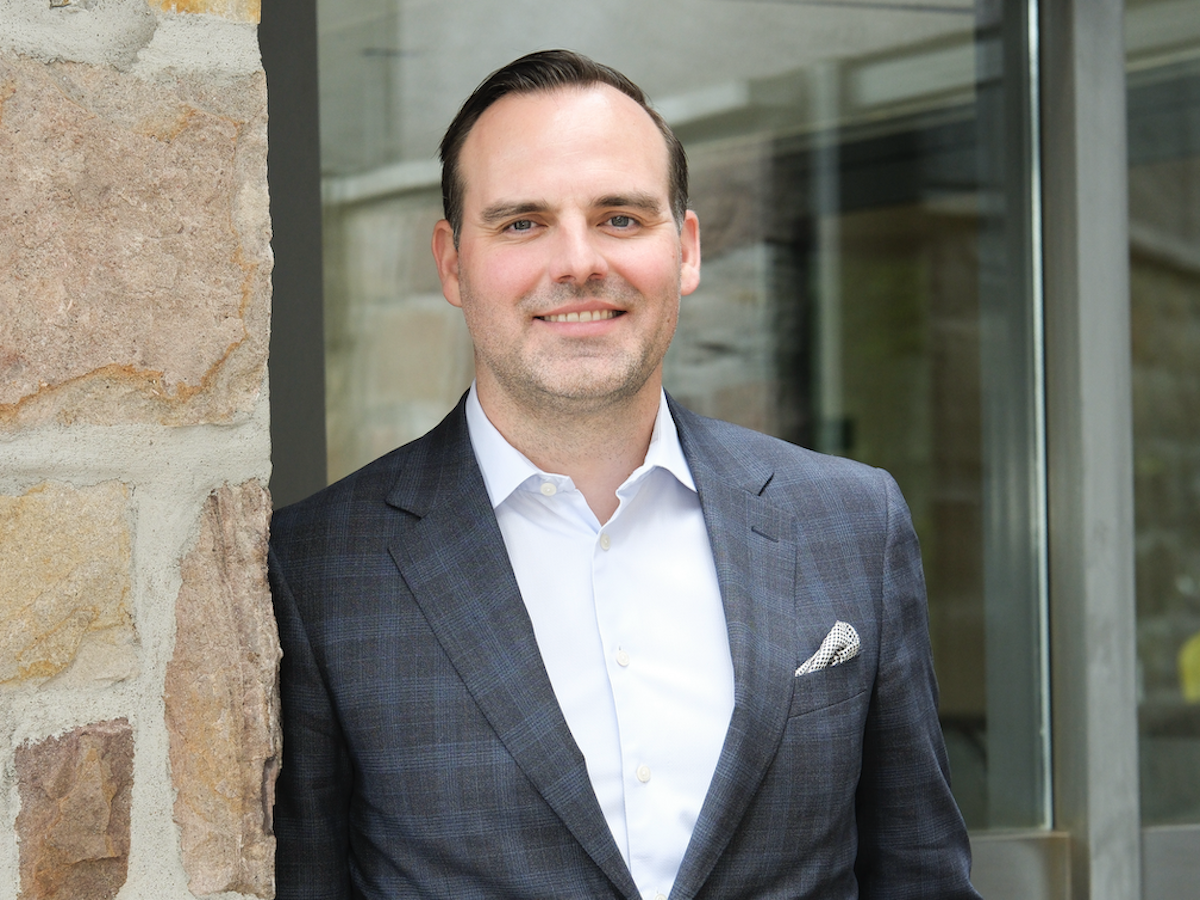
While voluntary carbon markets are a bit like the Wild West, carbon removals actually pull carbon dioxide out of the atmosphere and sequester it, according to Aaron White, executive director and head of sustainable investing at CIBC Global Asset Management.
“This is where we anticipate the biggest growth to take place within this industry,” he said during a session at the Canadian Investment Review’s 2025 Alternative Investment Conference.
Today, the globe produces about 42 gigatons of carbon emissions per year, he said, with carbon removals numbering just 0.125 gigatons annually. The United Nations’ Intergovernmental Panel on Climate Change suggests these removals need to grow exponentially by 2050 to have a chance of reaching a viable net-zero scenario.
Read: Lack of historical carbon emissions data impacts longstanding investment return modeling: report
Largely, this industry has been funded by private growth or venture equity, governments and corporate sponsors, said White, with private debt a critical component to driving scale.
He outlined the two types of removals: point source capture, where an existing heavy emissions production, like steel or cement, adds filters to sequester carbon onsite and then through a pipeline and into a storage facility; and removals, where carbon dioxide is pulled directly from the atmosphere and stored for as permanently as possible.
Canada has a robust investment tax credit program to support both point source capture and carbon removals, said White, noting the current federal government has indicated it will increase its purchases of carbon dioxide removals over time. Even in the U.S. and the E.U., the policy environment is extremely supportive of this industry, he added.
Digging into specific types of carbon removal, he said there are several technology and process types that are investable, highlighting biogenic carbon dioxide removal, such as afforestation and biochar; geochemical, which leverages natural processes; and synthetic or technology-based solutions like carbon engineering.
What makes this investment opportunity so exciting, according to White, is the active purchasers of future carbon dioxide removal, such as Microsoft, which makes up 75 per cent of the market today, as well as many large technology companies, airlines and banks, including Royal Bank of Canada.
“These essentially underpin the investability of these opportunities today, given that you have a large investment grade counterparty with contracted cashflows in place at the outset of any development project.”
However, one of the biggest challenges around carbon removal is financing, he said, noting these projects are capital expenditure intensive ($5 million to $25 million, but upwards of $50 million, in some cases, per transaction) and they aren’t repeatable across the technology types. “Underwriting an enhanced rock weathering opportunity versus river alkalinity opportunity is very different, as well as where you develop it and which systems are used.”
Specialized expertise and knowledge are required to effectively underwrite the risks, price these loans and structure them accordingly, said White, which doesn’t yet fit traditional capital markets. A private debt solution that leverages that expertise and flexibility could solve the funding gap, he suggested, and could generate positive outcomes to drive scale in this critical transition industry.
For institutional investors focused on reaching real-world decarbonization and supporting climate solutions, this emerging industry is primed to be a better alternative to equity investments, said White. And since it’s uncorrelated with traditional markets, it’s a diversifier for traditional private credit portfolios.
Read more coverage of the 2025 Alternative Investment Conference.