

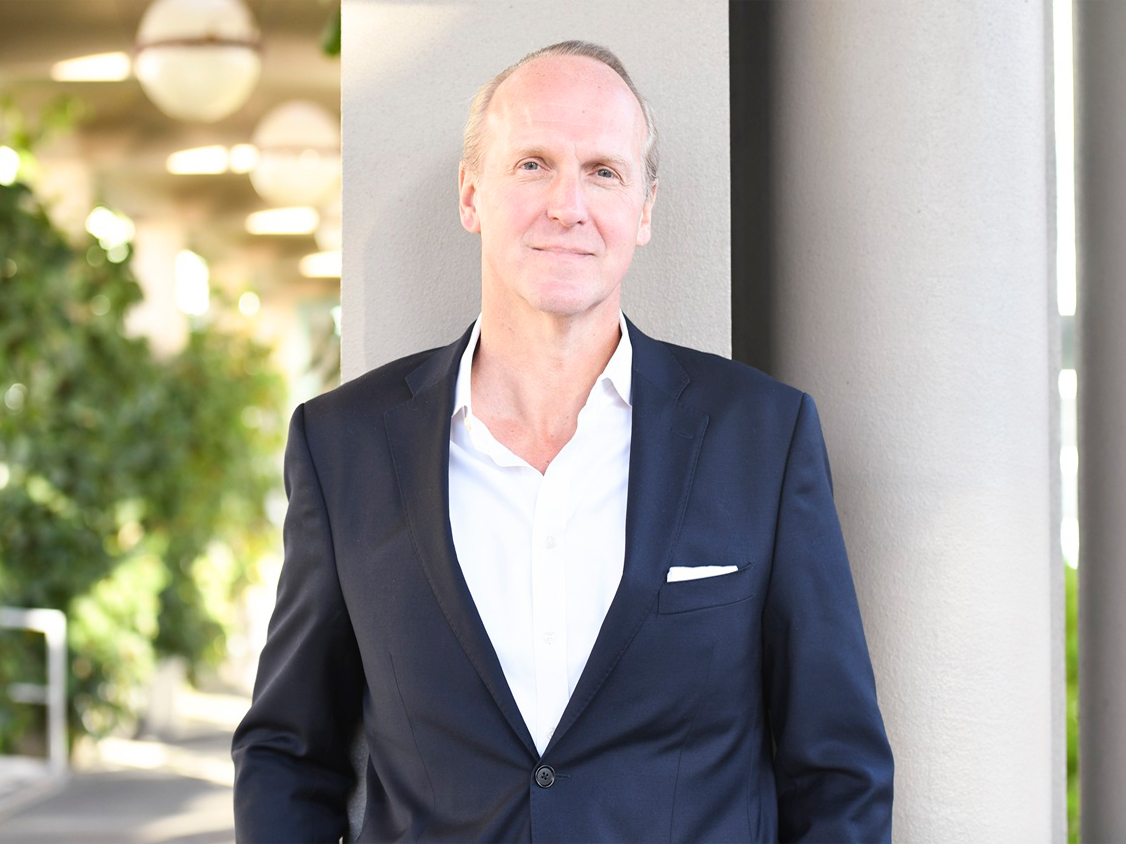
A quantitative investment process could begin competing with the best fixed income and fundamental traditional credit asset managers in the near future, according to Bernd Wuebben, director of systematic investing and quantitative research at AllianceBernstein.
“In the context of quant processes, systematic processes, there’s nothing passive about this,” he said during a session at the Canadian Investment Review’s 2025 Investment Innovation Conference. “There’s nothing robotic about this. There’s nothing simple about this.”
Typically, institutional investors rely on quantitative — and potentially even systematic — processes to manage about 30 or 40 per cent of assets under management in the equities market, said Wuebben. But in fixed income, an average $140 trillion universe of bonds globally, estimates show only between $50 billion and $100 billion are managed through a fully systemic process.
Read: What do quantitative investors mean for firm efficiency?
However, he noted he’s expecting a quantitative security selection process based on a factor investing model could be on the horizon for fixed income strategies. “I believe this is something that allows us to create and engineer return streams that are completely different and very differentiating.”
One of Wuebben’s initial goals in using this method is to establish repeatability in the results and for the active return stream to be uncorrelated to the equity market. He warned he isn’t interested in portfolios that significantly go up one year only to turn down the next.
“In the context of long-only portfolios — where we’re trying to be the benchmark and we’re generating an active return over the benchmark — I want that active return to be uncorrelated. I want it to be beta free and I don’t want it to be correlated to the underlying benchmark.”
Read: Custom investment services preferred by asset owners, but can be costly for managers: report
This approach is founded on a substantial industrial strength quantitative investment process and effectively built liquidity tools to meet the demands of the fixed income market, noted Wuebben.
However, he also cautioned there’s still a significant amount of information and factor-based research required to achieve the goals of this framework. “I’m concerning myself with the spread return and I want to have a quantitative view on individual bond spreads and I’m going to use all the data that’s out there.”
Wuebben said he believes in picking a model for bond assets where managers don’t try to get in and out of a market or try to time the equity exposure, just like in the equities space. “You expect your equity manager to pick stocks and that’s what you should expect of your bond manager.”
Read more coverage from the 2025 Investment Innovation Conference.