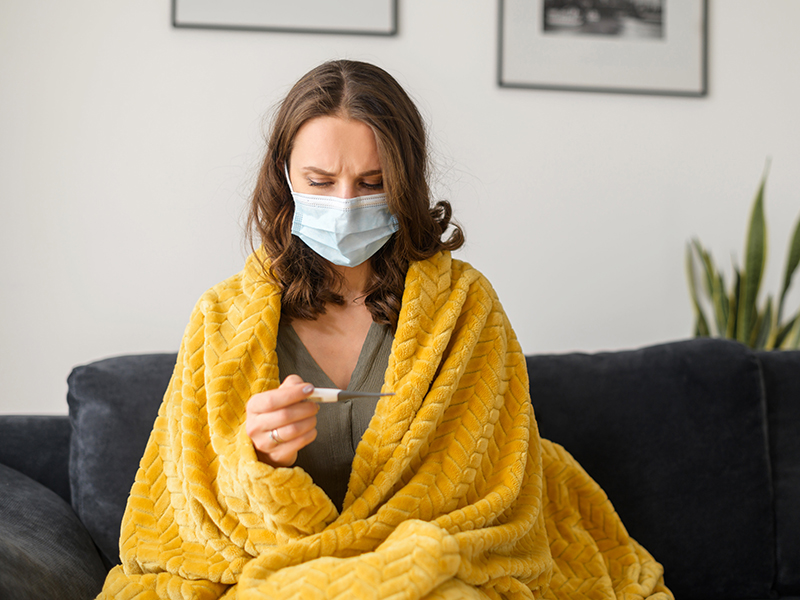
The growing adoption of prohibitions against demanding sick notes to substantiate short-term absences, related to the health of employees or their immediate families, is among the emerging trends that are challenging employers in 2026.
In November, British Columbia joined Saskatchewan, Ontario, Quebec, New Brunswick, Nova Scotia, Prince Edward Island and Newfoundland and Labrador in imposing such limitations.
Read: B.C. amendment will stop employers from asking for ‘unnecessary’ sick notes
“Legislators have been trying to find a balance between not burdening doctors and allowing employers to manage absenteeism,” says Michael Howcroft, a labour and employment partner in Blake, Cassels & Graydon LLP’s Vancouver office. “Everyone knows that family doctors are in demand and overworked and that taking time to do medical notes is not the best use of their resources, especially because short illnesses don’t always require their intervention.”
The prohibitions don’t, however, prevent employers from exercising vigilance in other ways. “Employers can still request some information confirming an employee’s illness,” Howcroft says. “For example, an employer might ask an employee who was absent due to a cold [about] what kind of cold or cough medicine they purchased.”
Still, employers should be aware that — quite apart from sick-note bans — privacy and human rights law prohibit employers from asking for medical records detailing diagnosis, treatment, test results and specialist reports.
Read: Saskatchewan legislation updates policies around interpersonal violence leave, sick notes
In terms of the provincial bans themselves:
- B.C. prohibits demands for any ‘health records;’
- Quebec prohibits demands for any document attesting to absence;
- Newfoundland and Labrador prohibits sick notes, but otherwise allows employers to set their own documentation rules;
- Ontario simply prohibits certificates “from a qualified health practitioner;”
- Prince Edward Island, Nova Scotia, Saskatchewan and the Canada Labour Code refer only to medical certificates; and
- New Brunswick prohibits doctors’ notes but allows employers to seek “other reasonable evidence of entitlement where appropriate.”
As well, employers should be aware the rules against asking for sick notes also differ somewhat in other ways in the various jurisdictions. For example, the absence period that invokes the prohibition varies from three to five days, and most jurisdictions limit the prohibition to two short-term absences.
The upshot is that employers need to familiarize themselves with the nuances of specific provincial and federal legislation.
In B.C., the ban only applies to two annual leaves of five days or fewer per calendar year and each type of leave is counted separately with respect to the preceding criteria. For example, if an employee is absent for four days because of their own illness and then misses three additional days due to a family member’s illness, the ban applies even though the absence totals seven days.
Read: Eliminating sick notes could remove administrative burden, improve workplace trust: expert
B.C. employers may only request sick notes for a third leave if the request is considered reasonable, such as colds, a condition for which people rarely seek treatment from doctors.
But while there’s little doubt that prohibitions against sick notes are limiting for employers, Howcroft notes most are primarily concerned with long-term or frequent absences.
“If an employee regularly gets stomach flu on Fridays that precede long weekends, their employer will start questioning their honesty. And eventually, employees who push their luck will start losing pay or face other discipline.”
Read: Ontario to do away with sick note requirement for short absences
The availability of paid statutory sick leave of up to five days annually in many jurisdictions also mitigates the prohibitions’ impact.
One positive impact of the prohibition, Howcroft observes, is that employees’ may choose to return to work earlier so their absence doesn’t exceed the length of the prohibition and allow employers to ask for sick notes.
Finally, employers should also be aware that sick note bans don’t prevent requests for medical information for the purpose of assessing fitness to return to work or for the purposes of determining accommodation for disabilities.
Read: How employers can encourage employees to take guilt-free sick days