

The 2008 economic crisis and its lasting aftermath have significantly influenced the dynamics of collective bargaining in both the public and private sectors in Canada. As a result, employers are taking a hard look at the long-term sustainability of their DB pension plans and searching for alternatives to the status quo.
The 2008 economic crisis and its lasting aftermath have significantly influenced the dynamics of collective bargaining in both the public and private sectors in Canada. As a result, employers are taking a hard look at the long-term sustainability of their DB pension plans and searching for alternatives to the status quo.
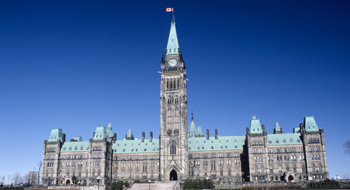
The federal government stepped back into the House of Commons yesterday, laying some not-so-conservative changes on the table.

Is Canada finally facing the reality that meaningful pension reform can no longer be delayed?

The haves and have-nots in the public pension system.

Canadians are staying in the workforce longer, but whether that’s a good or bad thing depends on whom you ask.

Prime Minister Stephen Harper put pensions on the front page with his announcement on Jan. 23, 2012, that the federal government is considering reducing the costs of the Guaranteed Income Supplement (GIS) and Old Age Security (OAS).

More voices are speaking out against the “platinum-plated pensions” provided to Canada’s members of parliament.

Terri Troy has more than 20 years of experi-ence in the financial services and pension industries, but it’s for her role as CEO/CIO of the Halifax Regional Municipality (HRM) Pension Plan that she’s being recognized with this award.
In 2011, a propaganda war was launched attacking the generous pensions paid to Canadian public sector workers.