

Chronic conditions such as depression, cancer, heart disease, stroke and diabetes cost employers big dollars in declining productivity due to increased absenteeism and presenteeism rates, as well as soaring drug costs and claims for short- and long-term disability. Speakers at the 12th annual Solutions in Drug Plan Management conference held on October 11, in Mississauga, […]

For employers that sponsor group retirement plans, the puzzle of how to get employees to make the most of their plans continues to be pieced together. If employers have yet to meet that goal, it hasn’t been for lack of trying. Education, promotions, contests—there’s little that hasn’t been tried to pique interest and increase active […]

"Engage, engage, engage” is an apt mantra for the capital accumulation plan (CAP) industry. With disappointing levels of employee engagement in Canadian retirement savings plans, plan sponsors continue to search for ways that inspire employees to save enough for retirement. One potential solution is automatic enrollment with automatic escalation—features that some believe could boost participation rates, particularly among younger workers, and address the engagement issue, too.
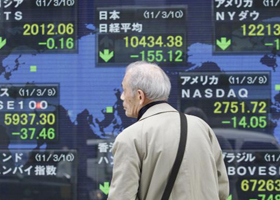
New report looks at pension savings in far east.

Manulife Asset Management’s Retirement Preparedness Indicator has found that Taiwan, Hong Kong and Japan—which are typified by high levels of financial wealth, high state pension coverage and well-developed financial markets—have the “most favourable conditions” for retirement.

Getting players in the Canadian Football League (CFL) to focus on planning for their retirement while they work on passing yards or tackles is a tough play to execute. But, with the average CFL playing career lasting just 3.2 years, Mike Morreale, president of the Canadian Football League Players’ Association (CFLPA) knows it’s important to get players to consider their future.

The majority of Canadian small business owners make the connection between employee satisfaction and workplace productivity, according to results from Manulife Financial’s second annual Small Business Research Report.

In Benefits Canada’s 2011 Top 50 DC Plans Report, 46 plans had an increase in assets; this year was not as strong, with only 32 plans with an increase. But despite the drop, the DC space is preparing for an even bigger change as Canada’s retirement landscape moves through a period of reforms. As the population lives longer and the baby boomers begin to retire, Ottawa is reacting to these demographic realities with initiatives for Canadians to work longer and save more for retirement.

The shift to more complicated arrangements that require additional communication also means there is a greater role for advisors in the decision-making process.

If one of the most effective ways to control costs is to have employees become better consumers, then they need to understand the benefits available to them. And while having an easy-to-understand plan is important, it’s only one part of the process.