

With current capital accumulation plan (CAP) participation rates typically around 55% to 60% in Canada, plan sponsors continue to search for ways that inspire employees to save enough for retirement. Some are automatically enrolling new employees in workplace retirement savings plans.
Cost conscious plan sponsors put downward pressure on fees: Mercer.

The dynamics of supply and demand have caused asset management fees in alternatives to drop, Mercer’s 2012 Global Asset Manager Fee Survey has found.
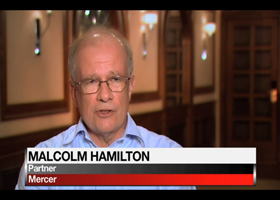
Malcolm Hamilton shares his concerns around alternative investments.

With DC pension plans continuing to gain prominence as a leading tool for employee retirement saving, Mercer has offered a list of steps plan sponsors can take to improve their offering in 2013.

Results from Mercer’s 2013 Fearless Forecast, an annual survey of Canadian and global institutional investment managers, show that those polled predict modest growth for the Canadian and global economies, lower equity and bond returns in all markets, and continued strength for the loonie against the U.S. dollar.

Industry Insight What political/legal developments will be most influential to Canada’s pension and benefits landscape in 2013? Mike Sullivan, president, Cubic Health: “In July 2012, Canada’s premiers announced their intent to introduce a tender process for key generic drugs enabling provinces to bulk buy, thereby lowering generic drug prices. The target date is April 1, […]

Pension plans sponsored by S&P 1500 companies finished 2012 with the highest year-end deficit ever. The aggregate deficit for these plans grew to $557 billion as of December 31, up from $484 billion at the end of 2011.

Slight boost not due to economic improvement, however.

The solvency position of Canadian pension plans improved slightly in the fourth quarter of 2012, according to the Mercer Pension Health Index. But the improved position was due to plan sponsor intervention rather than economic improvement.