

The main challenges of retirement savings—plan participation, contribution rates, and portfolio diversification—are being met head-on by sponsors through their plan and investment menu design decisions, finds a Vanguard report.

When U.K.-based Sainsbury's had to modify its pension, positioning the changes properly to 161,000 employees was critical.
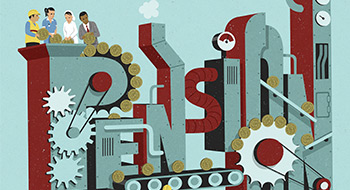
Canadian DC plan sponsors need a boost to drive employees’ retirement savings

To improve the long-term financial outlook for workers, a survey finds that the majority of U.S. companies now offer automatic features in their 401(k) plans to ensure workers are saving enough to receive full company matching contributions over time.

Automatic enrollment can have a powerful influence on participant saving and investment behaviour, finds a Vanguard study.

The majority of large and mid-size U.S. employers that sponsor DC plans say retirement readiness has become a major issue for their employees.

Academic research in behavioural economics and psychology is changing how we understand our pension and benefit plan members’ decision-making process, and how we communicate with them. Popularized by the 2008 book Nudge: Improving decisions about health, wealth and happiness by Richard Thaler and Cass Sunstein, behavioural economics has been making huge advances—especially in the United Kingdom, where the Cabinet Office established a Behavioural Insights Team in 2010.

More than one-third of Americans that contribute to an employer-sponsored retirement plan have never increased the percentage of their salary they contribute to their company's plan, according to a survey.

One of the largest problems faced by group retirement plans is plan member apathy.
Fifty-five percent of retirement plan participants favour automatic annual increases to their contributions.