

According to CAMH researchers who studied U.S. data, people with mental illnesses are more than seven times more likely to use cannabis weekly compared to people without a mental illness.
There’s no sweeter time than maple syrup season for Stéphane Grenier, lead consultant with Mental Health Innovations Consulting.

An estimated 12% of employees have diagnosed mental health issues, according to one speaker at Benefit Canada’s Mental Health Summit. Judging from other conference participants, employers find it difficult to create workplaces that are healthy for mind and body.

Mercer is joining forces with the Canadian Mental Health Association (CMHA), through its Mental Health Works program, to launch an education program designed to help employers implement the new National Standard of Canada on Psychological Health and Safety in the Workplace.
Mental health problems and illnesses have a $50-billion impact on Canada’s economy each year, and 30% of short term and long term disability claims are associated with mental health issues. It’s hoped that Wednesday morning’s release of the long-awaited National Standard of Canada Psychological Health and Safety in the Workplace will start to help improve those numbers.

As Canadian organizations struggle to support employees who experience mental health issues, Canadian pharmacists are taking a more active role in mental health matters.

Fewer disability claims and a speedy return-to-work schedule for employees who are getting help with mental health issues—employers want these to be a reality. But how do they make it so? While there’s no shortage of resources available to employers on how to create a workplace that is healthy for mind and body, the problem—despite good intentions—lies in actually taking action.

A man is hit by a car. Passersby gather round. He’s not bleeding; they decide he’s fine. He’s not unconscious, but he’s not getting up. They decide he likes attention—or he’s lazy. They don’t have time for this. The man is left on the ground, abandoned.
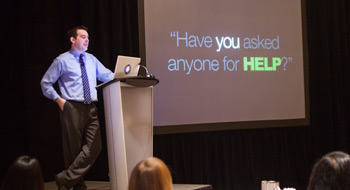
Check email, answer the phone, finish a proposal and watch the latest viral YouTube video—all in an hour’s work, right? Tod Maffin, president of engageQ digital, says the need to multi-task constantly is having a negative impact on productivity.

In spite of repeated complaints to Walmart’s district people manager, the company took no steps to intervene or curtail the manager’s behaviour. In fact, after meeting with a committee of three senior Walmart managers, Boucher was advised that her complaints did not warrant further consideration. The court believed differently.