
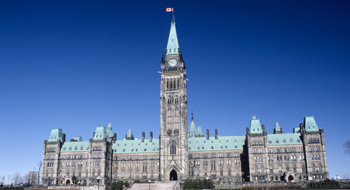
The House of Commons has unanimously approved changes to the Member of Parliament (MP) pension plan after splitting them off from the government’s big omnibus budget bill. After negotiations, the Commons adopted a motion to whip the changes through with a single motion. The changes will sharply increase the contributions MPs must make to their […]

The only news around pooled registered pension plans (PRPPs) today seems to be coming from the federal Department of Finance, Ted Menzies, Minister of State (Finance)in particular, who has been stewarding the PRPP initiative.

Finance Minister Jim Flaherty put on his best poker face yesterday as he insisted the Conservative government’s next budget implementation bill wouldn’t contain any unexpected surprises. Flaherty’s second budget bill, to be introduced today, is believed to contain measures to reform MP and public sector pensions, as well as a host of tax changes. But that’s […]

The Melbourne Mercer Global Pension Index has given Canada’s retirement savings and income system another B rating this year. The positive impact of increasing the Old Age Security (OAS) retirement age was offset by the continued reduction in pension plan coverage for employees in the private sector. Canada’s overall index value was 69.2.

Scott Perkin fondly recalls his appearance before the House of Commons Standing Committee on Finance in 2010. The Canadian pension landscape was being shaken by funding challenges, record-low interest rates and the protest in September of that year by Nortel pensioners angered by the windup of their $2.5-billion underfunded plan. As president of The Association of Canadian Pension Management (ACPM), Perkin expected he’d be asked to outline the association’s position on one or two topics. Instead, committee members peppered him with questions on a host of issues.
The Conservatives have accepted a proposal to have Members of Parliament and senators contribute more to their pensions plans.

B plans across the country have faced significant issues in recent years, including low interest rates, changing demographics (such as longer life expectancy and an aging population) and unstable capital markets. All of these factors threaten the long-term sustainability of plans. The shared-risk model seeks to address these issues with a regime where there is a focus on robust risk management to promote benefit security and pension plan sustainability.

The federal government has created the pooled registered pension plan (PRPP) in the hopes that provinces would each adopt a bill creating a similar product for their own pension jurisdiction.
The federal government stepped back into the House of Commons yesterday, laying some not-so-conservative changes on the table.

The California government today passed a pension reform bill that the government is calling the “biggest rollback to public pension benefits in the history of California pensions.” The new legislation will raise the minimum retirement age for the state’s public service and will reduce pension benefits for new public workers—moves that California Governor Jerry Brown […]