
As generation Z’s behaviours, motivators and stressors evolve in real time, a joint research project from Canada Life and Deloitte Canada is aiming to help bridge the gap between prudent financial planning and the generation’s legitimate concerns around long-term systemic risks.
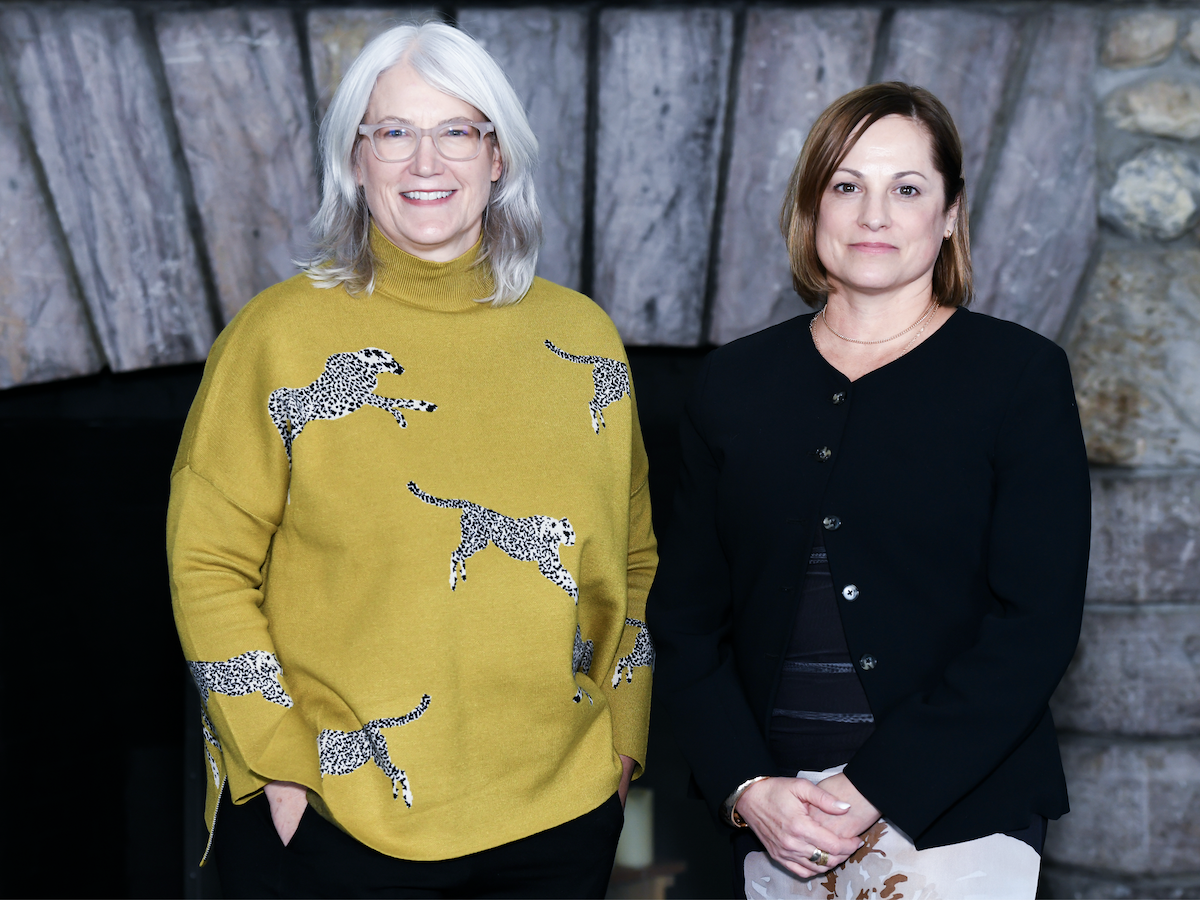
Speaking during a session at Benefits Canada’s 2026 Defined Contribution Plan Summit, Kate Nazar (pictured right), vice-president of workplace retirement at Canada Life, highlighted some realities about gen Z — those born between 1997 and 2012. For example, they aren’t experiencing the same baseline of well-being as previous generations; they’re impacted by constant global instability; they’re facing growing unemployment, higher cost of living and unaffordable housing; and they’re in debt as they try to keep up with the cost of participation in modern life.
Read: 2025 DC Plan Summit: Understanding the modern mindset for DC plan member engagement
“That’s why, over the course of the last six months, we pushed beyond observation into original investigation, capturing fresh data, lived experiences and behavioural signals that reveal how gen Zs are actually feeling.”
The research asked 2,000 Canadian respondents for their perception on the impact of existential risk. “That’s catastrophe,” said Kelly Peters (pictured left), a partner and global behavioural economics leader at Deloitte Canada, during the session. “That’s wiping out the human species because of climate change and geopolitical instability.”
Across all respondents, 11 per cent believed the timeline for this event will be before they retire, while one in five said it will happen within the next 100 years. Looking at financial behaviour, said Peters, demand for long-term financial savings products would go down about 16 per cent. However, the research created a product called the Doomsday Resilience Fund, with eight per cent of respondents saying they’d put some money into that for their retirement.
Read: Fewer millennials, gen Z employees on track to save for retirement: survey
The research offers an opportunity to talk about resilience, said Peters, not just individually, but as a society, which creates a foundation for hope. “It means . . . connecting the dots between people having that anxiety and engaging them in the solution — that long-term retirement savings is not just investment in your retirement, but an investment in the future.”
This lays the groundwork for focusing on three areas for gen Z, said Nazar, including getting them started, building their trust and turning their worries. “We’re completing focus groups as we speak,” she added, noting this feedback, along with the research results and behavioural economics, will be used to create a gen Z toolkit for the pension industry to use.
“This is our calling — to turn what we’ve learned here into real impact and to stand beside a generation that needs our leadership as they build the financial and emotional resilience to thrive in an unpredictable future.”
Read more coverage from the 2026 DC Plan Summit.