
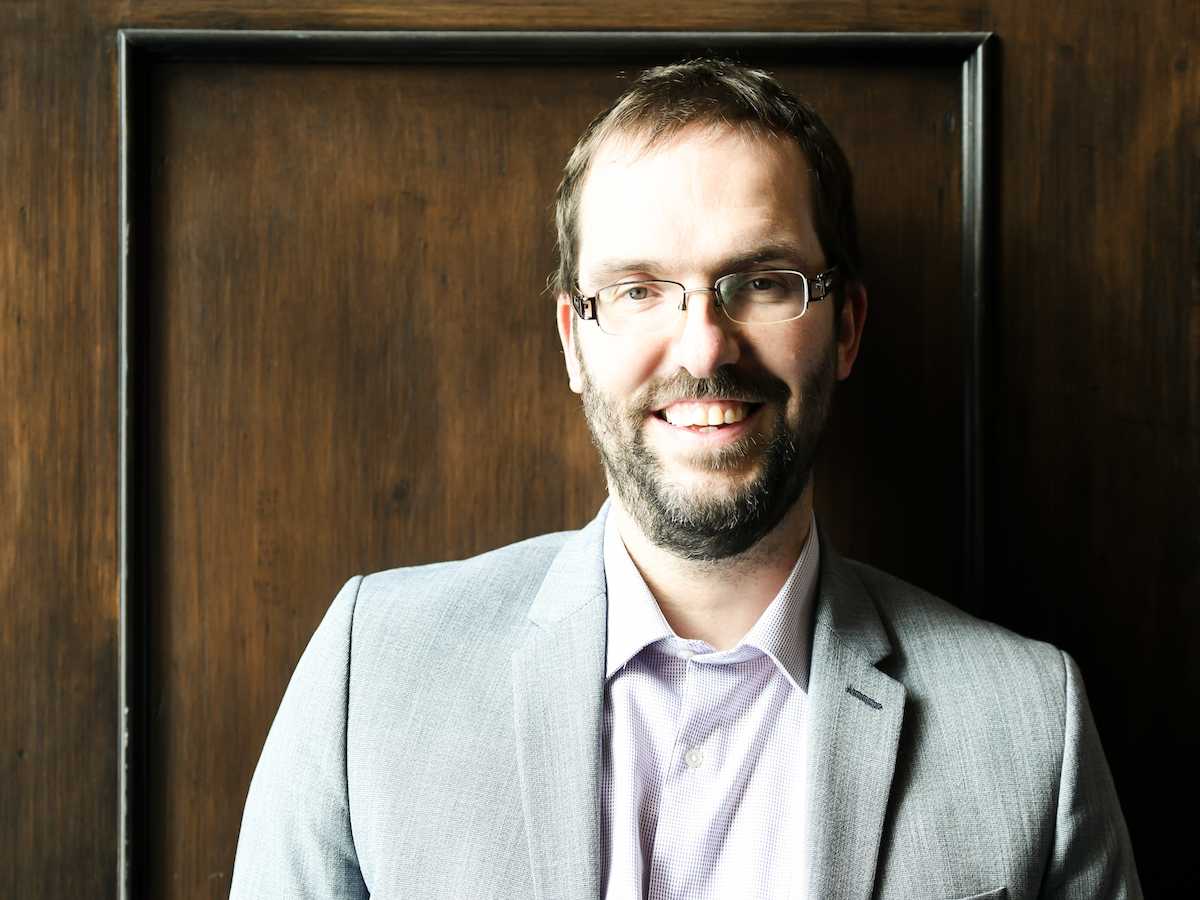
Workplace financial advice has evolved significantly over the past 15 years, moving from in-plan investment advice to more broad financial planning, said Marc-Antoine Morin, assistant vice-president of group retirement at Manulife, during a session at Benefits Canada’s 2026 Defined Contribution Plan Summit.
He traced the evolution to the rise of three factors: target-date funds, which eliminate the need for specific investment advice; the focus on financial stress, which requires more holistic financial planning conversations; and plan sponsors’ comfort with providing advice.
The spectrum of financial advice provided by record keepers and plan sponsors can span from human to digital to artificial intelligence, said Morin. “An AI experience is going to take digital, put it on steroids and be able to have more of a two-way conversation and be more educational as it actually provides advice, which is very similar to what [a human] advisor would do.”
Read: 2025 Top 50 DC Plans Report: How is technology evolving to ensure DC plans are reaching all members?
Among Manulife’s clients, the adoption of human advice is around three to five per cent each year, which can build up over time. For digital advice, he highlighted U.S. data at closer to 10 per cent. Among Canadians who are using AI on a regular basis, the percentage of people who are using it for financial questions is around 30 per cent, he added, noting that rises to around 50 per cent among generation Z.
“When we’re thinking about evaluating the right advice model, we want to make sure it’s providing the right guidance, the right advice. Whether it’s human, digital or AI, all three models can help [plan members] pick investments. . . . [They all] check the box in their ability to help with retirement planning.”
Morin presented a complex financial planning case to OpenAI’s ChatGPT and to one of Manulife’s human advisors. While the AI advisor did a decent job, it didn’t refer to leveraging the employer plan, which he considered a big miss based on the information he provided. It was also vague on investment recommendations and wasn’t very good at providing illustrations about financial scenarios.
Read: 2025 DC Plan Summit: How the engagement revolution can boost retirement outcomes
“I did ask six solid questions, the questions [plan members] should ask as they’re preparing for retirement. Members are not going to know that. In order to get a lot of value from AI, we need to have better users. . . . Your average employee isn’t going to be quite there to get to the end zone.”
As plan sponsors think about advice over the next 25 years, Morin recommended they think about how their members are going to feel about it. “It’s about driving confidence and reducing financial stress.”
And despite the inevitable arrival of AI in the group retirement industry, he highlighted the importance of considering both human and AI together as the optimal experience. “I’m starting to use AI, it helps me understand my situation [and] generates questions. It’s educational. . . . Then I take that information and I go to meet with my human advisor. I’m better prepared to have that conversation and I’m going to generate better outcomes.”
Read more coverage from the 2026 DC Plan Summit.