
While more than half (52 per cent) of workplace savings plan members count on the plan as their main source of retirement income, both men (16 per cent) and women (12 per cent) overstated their account balances, according to Sun Life’s latest survey of 1,900 plan members.
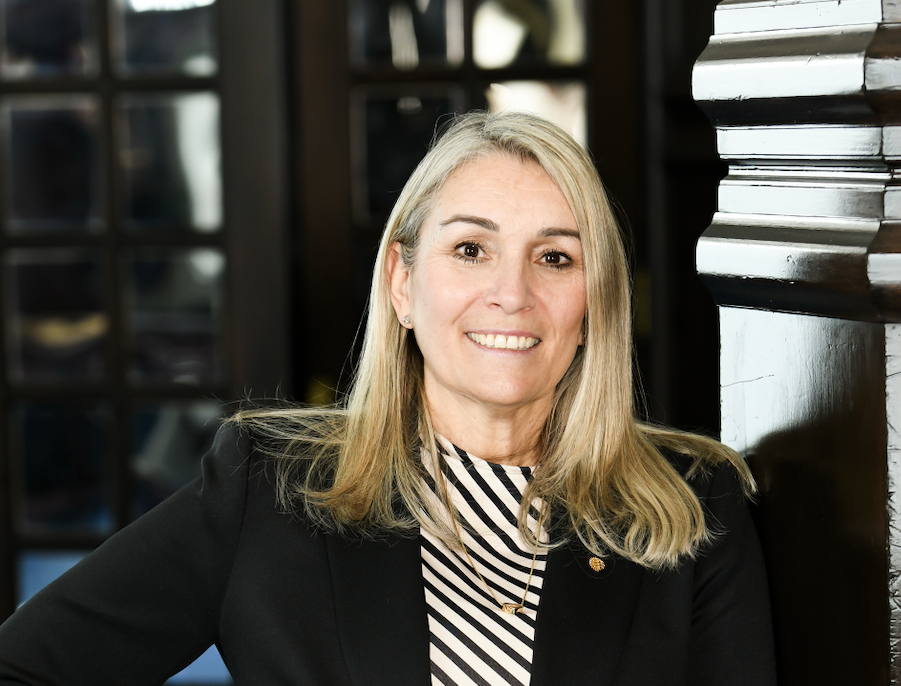
Sharing the survey results at Benefits Canada’s 2026 Defined Contribution Plan Summit, Liz Pecile, the record keeper’s regional vice-president for the central region in group retirement services, highlighted the opportunities to create greater visibility of workplace programs and provide more education, resources and tools to keep members engaged.
Another disconnect between plan members’ responses and reality was around the employer match, she said, noting 90 per cent of respondents said they were contributing enough to receive the full employer match, but a look at their Sun Life member accounts showed that number was only 60 per cent. “It’s very important for us to recognize that there is most definitely an overestimation of what their holdings look like — not just in an account balance, but around contributions as well.”
Read: Flexible savings plans, employer matching allowing employees to retire earlier than planned: survey
Looking at financial advice and education, 47 per cent of plan members said they use a financial advisor, while 22 per cent look to family and friends for help with their finances and 36 per cent manage it themselves. “One of the things we heard from the membership specifically was that they’re looking for holistic financial planning and retirement planning,” said Pecile.
Among respondents who don’t use an advisor, she noted, there are three barriers: self-reliance and sufficiency, lack of trust and financial concerns. “We saw this primarily with women, where there was a general feeling that they didn’t have enough savings in order to be able to engage a financial advisor for consultation.”
For the industry more broadly, she suggested they create simple plan designs, including automatic features, a straightforward investment lineup and the opportunity for employer matches to be directed to different savings products. “They need to understand, ultimately, what they’re leaving on the table, that it’s an immediate return on investment when they’re able to get the full match in their program.”
Read: Employer matching key to supporting young workers’ retirement readiness: report
Alongside the survey, Sun Life also assessed plan members using a personal financial quiz, noted Pecile, with the results showing confidence beats knowledge. While the individuals with high confidence are investing and saving more and making their financial decisions either through an advisor or using their own knowledge, she added, those with low financial literacy and confidence aren’t seeking help.
She recommended plan sponsors and providers ensure their education and communications is targeted and doesn’t assume that everyone is financially confident. “We have to make sure that we’re addressing all of the employees throughout our programs on a regular basis.”
If plan sponsors can improve member confidence, it offers an opportunity to boost retirement outcomes for all members, said Pecile, highlighting the need for education and communications, professional advice and planning tools.
Read more coverage from the 2026 DC Plan Summit.