
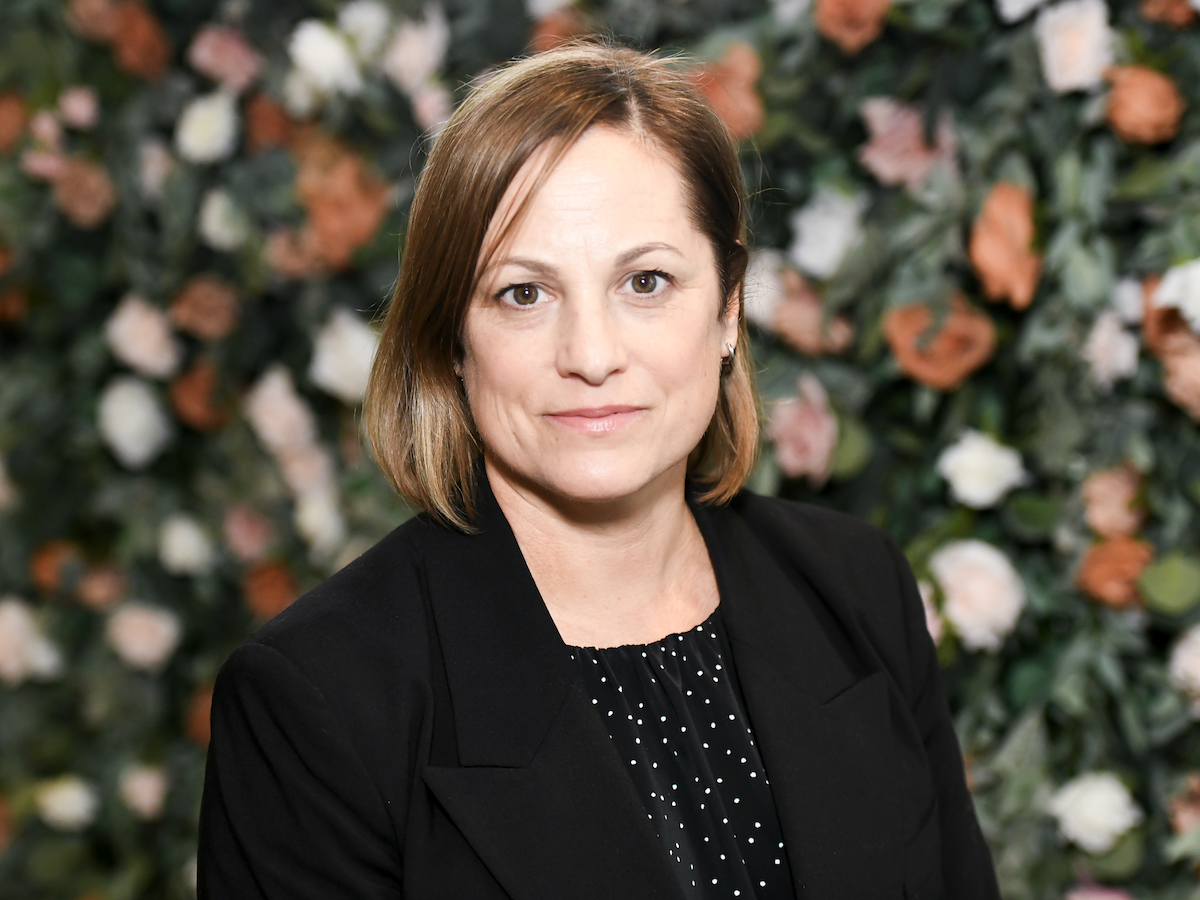
Driving to a client meeting in 2003, Kate Nazar, then age 30, felt shooting pains up her spine and pulled to the side of the road, stepped out of the car and collapsed.
Hours later, after emergency surgery, she learned the episode — and the months of missing menstrual cycle before it — were symptoms of late-stage ovarian cancer.
As Nazar, now vice-president of workplace retirement at Canada Life, geared up to fight her cancer, she realized she wasn’t financially prepared for a serious illness. She and her husband had some equity in their home, but no critical illness or life insurance policies, no emergency savings and no wills.
Read: Workplace cancer strategies can support employee health, reduce benefits costs: webinar
“I never imagined, at 30 years old, I’d need to be thinking about taking time off work to fight cancer,” she said during a session at Benefits Canada‘s inaugural Women’s Health & Wealth Summit.
While she took disability leaves, financial hardship complicated Nazar’s healing. Indeed, she noted, women face elevated health risks and greater financial vulnerability; and yet, they tend to be more financially unprepared than men.
Within Canada Life’s block of business, women across all generations have 33 per cent less in their tax-free savings accounts than men. Women are also less likely to have life and critical illness insurance than men and take out lower coverage amounts or underestimate their need for financial protection.
A survey of generation Z commissioned by Canada Life found women in this age group worried more than men but engaged in less financial resilience planning. Women face health and wealth risks across the span of their careers, said Nazar. “We’re seeing women being diagnosed earlier than ever with things like cancer and mental-health issues. This is really a call to action to women that these things don’t just happen late-stage.”
Read: How employers can improve women’s financial security, close gender pension gap
The industry has an opportunity to make financial protection products “accessible rather than intimidating” to women, she said, suggesting organizations bundle health and wealth resilience products together through personas and storytelling.
This could include highlighting a TFSA for day-to-day risks, critical illness insurance for unexpected risks and workplace retirement savings plans for long-term resilience. “As opposed to individual products, tell a story.”
Read more coverage of the 2026 Women’s Health & Wealth Summit.