
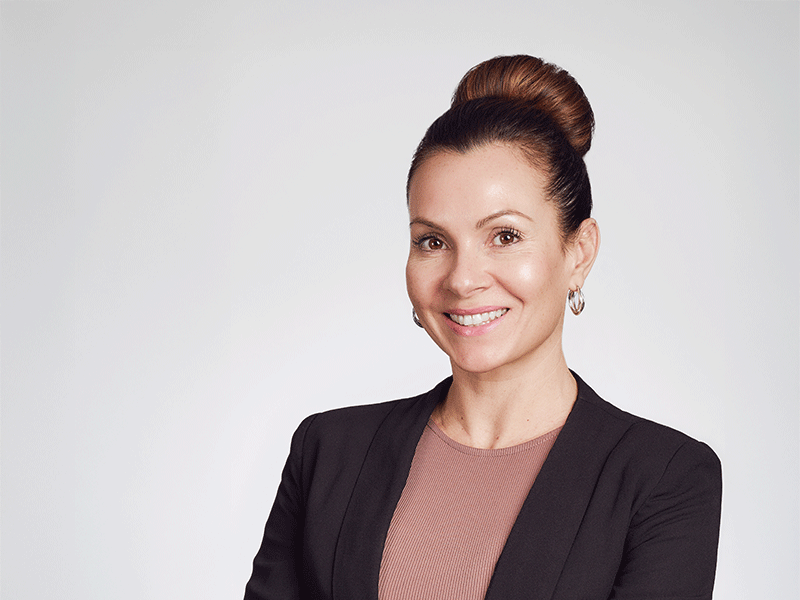
Kraft Heinz Canada is reimagining family benefits to reflect a broader, more inclusive definition of caregiving and employee well-being.
The company is reframing these benefits by ensuring male employees are seen, supported and included across all life stages. In late 2024, it launched a digital-first health platform offering 24-7 confidential access to expert-led care. The tool supports employees and their families through parenting, fertility, mental wellness and midlife health, areas where men have traditionally been underrepresented or underserved.
“We really wanted men to feel like this wasn’t a benefit they had to opt into or ask permission to use,” says Tracy Fogale, senior manager of total rewards at Kraft Heinz Canada. “It was built with them in mind, too.”
Read: How family-building benefits can support employee well-being, retention
While women have historically been the default users of family and reproductive health benefits, the platform was designed to normalize male participation. And the timing is right — workforce dynamics, gender roles and caregiving expectations are shifting quickly.
“We’re seeing a significant shift in the kinds of roles men hold and the expectations placed on them,” says John Oliffe, professor and Tier 1 Canada research chair in men’s health promotion at the University of British Columbia and founder of the university’s Men’s Health Research Program. “Work that was traditionally male dominated has changed and with it comes a new set of expectations and responsibilities, both in the workplace and at home.”
Supporting all families
Kraft Heinz Canada’s platform has also supported non-traditional family structures, with one male employee and his husband using it during their surrogacy journey and accessing newborn sleep coaching once their child arrived.
The initiative is part of the company’s broader commitment to inclusivity across gender, orientation and family structure, but it also addresses a persistent workplace tension. Many men still feel reluctant to access care or take parental leave, even when policies support it.
Read: A closer look at Finland’s new flexible parental leave
“Men often tell us they want to take paternity leave or access help, but they’re worried about how it will be perceived,” says Oliffe. “They still feel pressure to be the provider. That’s deeply ingrained and even when benefits — including paternity leave — exist, culture doesn’t always normalize taking that right away.
By the numbers
• 26% of men reported feeling stigma when engaging with health education, rising to 39% among men aged 25–34.
• Up to $12.4 BN could be saved annually in Canada by preventing avoidable male deaths from five conditions: coronary heart disease, COPD, lung cancer, colorectal cancer and suicide.
• More than 1 in 5 male respondents identified themselves as caregivers for a loved one.
• Male caregivers reported declines in their own mental and physical health often without employer recognition or support.
Source: Movember report, June 2025
“The breadwinner role is well intentioned — it’s about providing and protecting,” he adds. “But it can also create pressure and prevent men from seeking help. By removing that barrier and saying, ‘This benefit is for you, too,’ companies can reduce stress and improve health outcomes.”
Fogale says this kind of stigma is exactly what the benefit aims to challenge. “This isn’t just about traditional parenting paths. We’re seeing different types of families engage with the platform and that’s the point. It’s relevant across a wide spectrum of needs.”
Since the platform’s launch, male engagement has exceeded expectations, she says. Key areas of usage include fertility education and preservation, parenting strategies, emotional wellness, postpartum partner support and midlife and hormone health.
Read: PwC Canada improving parental leave with specialized coaching, leadership training
“We had one employee tell us he used it to better support his wife during a high-risk pregnancy,” says Fogale. “Another leaned on it after becoming a new dad and returning to shift work. These are real-life moments — and men need support, too.”
A longer-term inclusion strategy
The platform is one part of Kraft Heinz Canada’s broader diversity, equity, inclusion and belonging strategy, which aims to embed equity into every part of the employee experience — not just career growth but personal well-being too.
“We want to support the full employee journey,” says Fogale. “Not just through a career lens, but through the real-life responsibilities and identities people carry with them every day.”
The company plans to continue tracking usage data and employee feedback to expand the platform’s value. “We’re not done. This is just one step in showing employees, especially those who haven’t always felt seen, that they matter, that their well-being is part of our success.”
Sonya Singh is an associate editor at Benefits Canada and the Canadian Investment Review.