
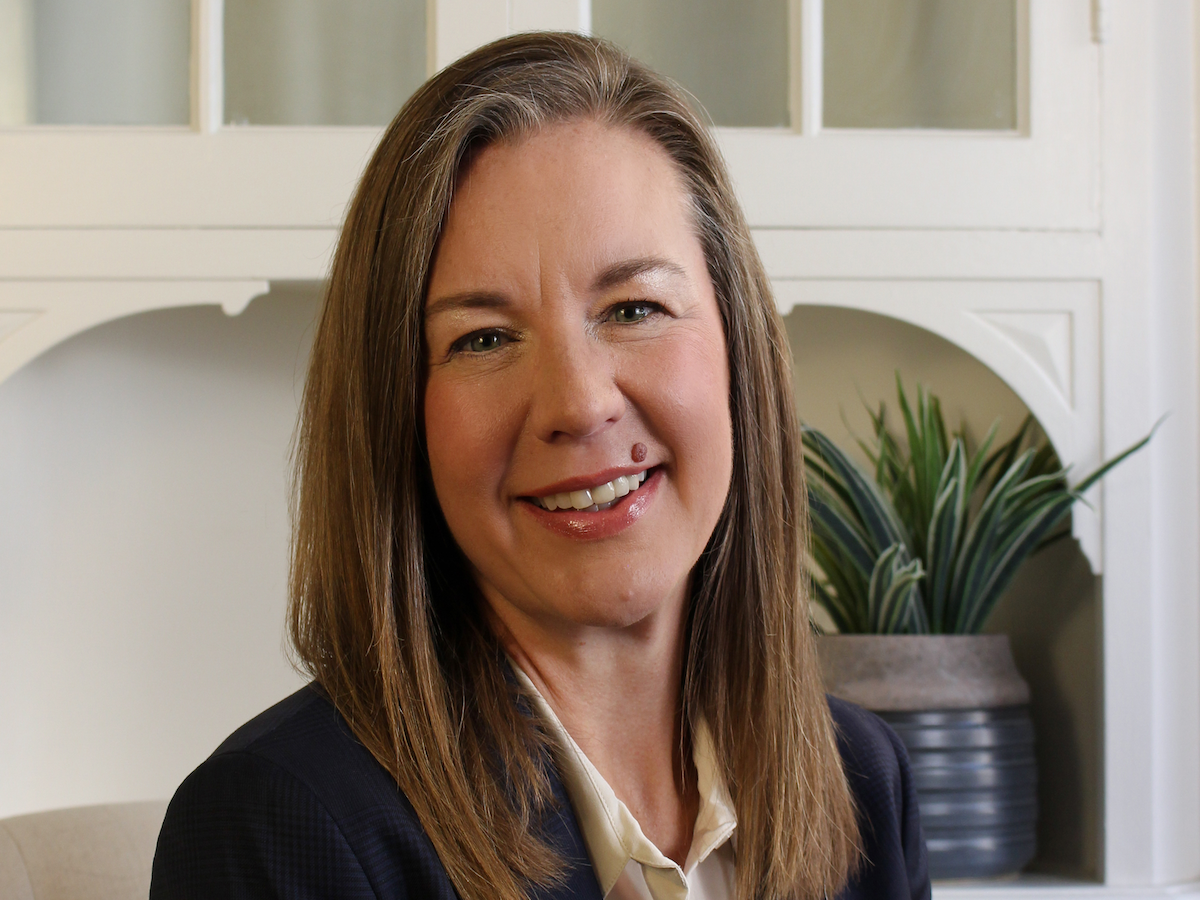
Gender differences in mental health manifest through biology, gender roles and cultural expectations, according to Carmen Bellows, registered psychologist and director of mental health solutions at Sun Life Financial Inc., during a session at Benefits Canada’s 2025 Mental Health Summit.
Taking all mental-health disorders into account, she said there are no gender differences in the rates of disorder; rather, the differences lie in the types of mental disorders. For example, women have higher rates of internalized disorders such as depression and anxiety, typically presenting as a loss of energy, motivation and interest in life. Men have higher rates of externalized disorders such as substance use and antisocial disorders, which lead to problems at work, with family and forming close relationships.
Read: 2024 Vancouver Benefits Summit: The connection between DEI and psychological health
The varying symptoms expressed by different genders can lead to under-diagnosis, said Bellows, noting gender roles and expectations also play a part in the differences in mental-health expression and diagnosis.
Men are socialized to show strength, independence and emotional stoicism, she added, and they typically socialize around activities rather than emotional sharing. These factors lead to fewer emotionally supportive connections creating a greater risk for mental-health disorders.
Women are socialized to be nurturing, emotionally expressive and relationship-oriented, said Bellows, which results in more support networks that protect against personal stress while also increasing relational stress.
Mental health continues to be the leading cause of disability among employers of all sizes, she said, added employees facing mental-health challenges struggle at work, which affects productivity, morale and workplace safety.
Read: Sounding Board: How DEI enhances workplace safety, employee attraction, retention
Bellows suggested employers support employee’s mental health through engaging managers in training, communicating existing supports and increasing coverage maximums. Manager training sets a foundation for increasing skills and awareness, she said, and it can also assist managers in identifying potential mental-health issues, communicating effectively and reducing stigma.
“Many group benefits plans have annual maximums for mental health that are far below what is needed for successful treatment,” she added, suggesting employers eliminate financial barriers to allow for a full and successful treatment plan.
In terms of solutions, Bellows highlighted mental-health coaching, virtual care and cognitive behavioural therapy resources. Targeted approaches include providing flexible working policies, monitoring and addressing workload inequalities, promoting diversity and inclusion initiatives, encouraging peer support networks and addressing gender-specific stressors.
Gender-targeted approaches, she said, include encouraging men to discuss their stress and mental health, as well as creating safe spaces for women to discuss work-life balance, systemic inequities or relational stressors.
Read more coverage of the 2025 Mental Health Summit.