
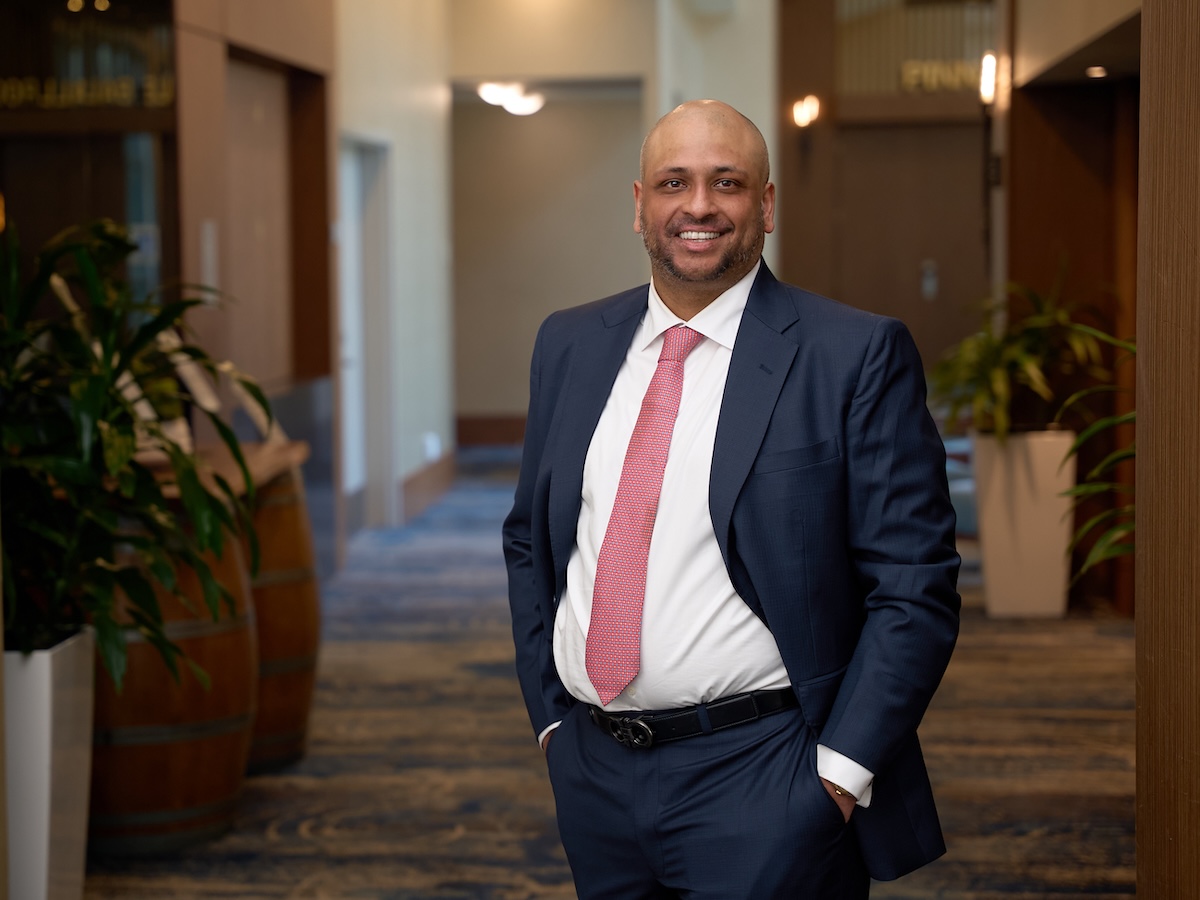
Group benefits plans are under unprecedented pressure, said Rahul Rao, chief executive officer and founder of CloudAdvisors, during a session at Benefits Canada’s 2026 Vancouver Benefits Summit.
Claim costs that are increasing at a rate outpacing inflation and a multigenerational workforce with differing needs are challenging plan sponsors trying to offer a competitive, but still sustainable, benefits package. “You have to be able to rationalize why you want to offer what you’re offering and make a business case to the [chief financial officer] justifying the return on investment of every dollar spent.”
Read: What’s the ROI of employee well-being support tools?
An assessment of Canadian benefits plans data, he noted, found three factors are shaping the evolution of plan design: mental-health coverage, health-care spending accounts and employee assistance programs. The analysis was based on a CloudAdvisors’ dataset, which encompasses more than 25,000 employers, 7.6 million Canadian lives — including both plan members and dependants — and 150 benefits providers.
Plan sponsors have poured funding into mental-health solutions, said Rao. For example, more than 50 per cent of employers provide between $1,000 and $2,000 annually in mental-health coverage, a two- to four-fold increase from an average annual $500 maximum in 2020. Three in four companies are providing 100 per cent coinsurance for mental-health benefits.
As well, EAP offerings have increased from 20 per cent in 2020 to 31 per cent among smaller employers (fewer than 100 employees) and 40 per cent in larger employers (more than 100 employees). And the use of HCSAs has tripled, to 30 per cent among large employers from just 10 per cent in 2020.
Read: Amount of benefits plan sponsors with HCSAs, wellness accounts on the rise: BCHS
Based on CloudAdvisors’ database, Rao outlined what he called the blueprint for a competitive benefits plan. It includes: a prescription drug plan with at least 80 per cent reimbursement; both basic and major dental coverage; paramedical coverage with an annual maximum of between $600 to $1,000 per practitioner; a dedicated mental-health practitioner benefit with at leas a $1,500 annual maximum; and an HCSA with a minimum $500 maximum and carry-forward provisions.
He also recommended an enhanced EAP model that offers at least eight sessions per issue, digital access and financial, legal and life coaching, both long- and short-term disability coverage and unlimited virtual care at no cost to plan members.
Rao encouraged plan sponsors to keep an eye on new trends in the market and to dive into the demographics of their own employee populations to understand what would have the most impact in their organizations.
Read more coverage of the 2026 Vancouver Benefits Summit.