
Financial stress is an ever-present concern for many employees — among women, it’s even more pronounced.
A survey by the Financial Resilience Institute found almost two-thirds (72 per cent) of women said money worries cause them emotional stress, eight percentage points higher than men, while 71 per cent of Canadian women are stressed about not having sufficient retirement savings, compared to 65 per cent of men. In addition, two-thirds of women said financial worries affect their mental health.
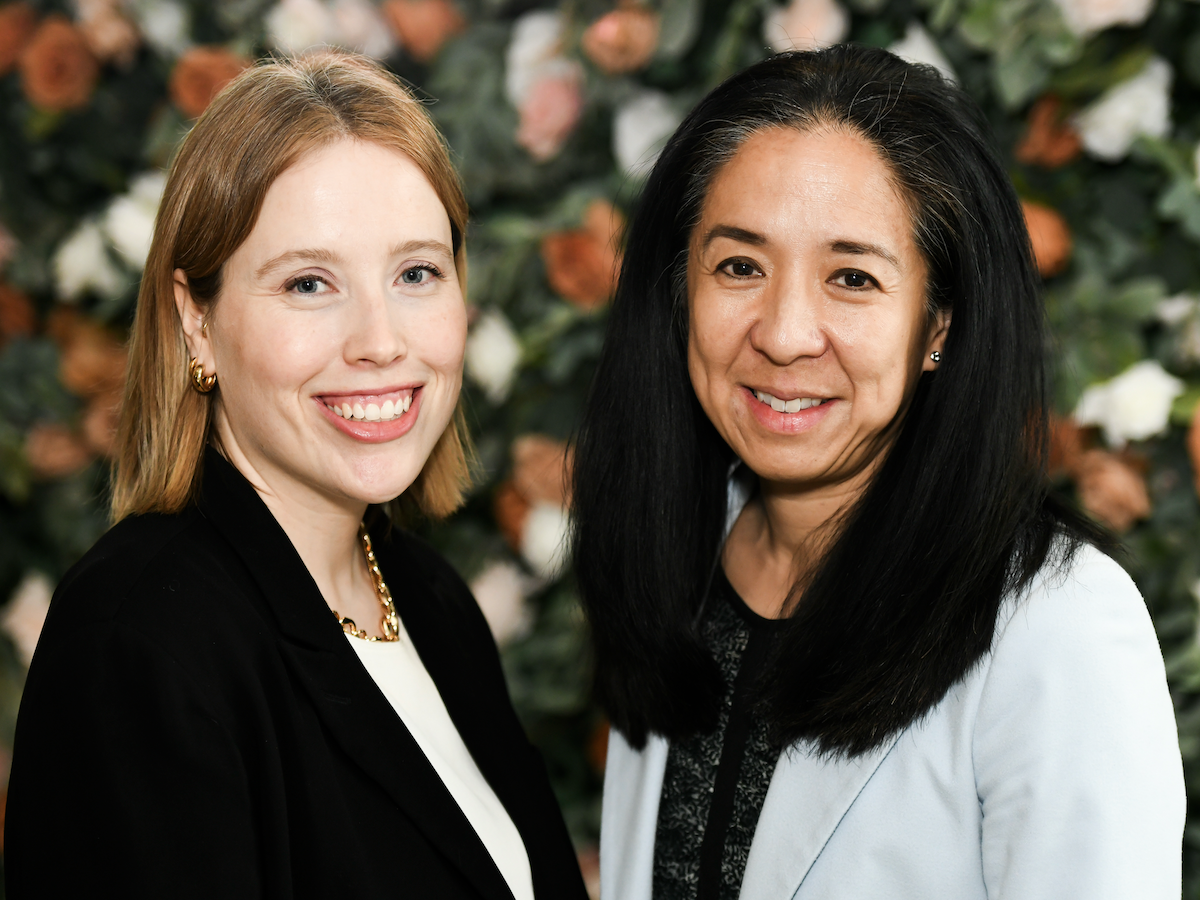
Women have longer lifespans and need to stretch their retirement savings longer, said Bernette Ngo (pictured right), regional vice-president of distribution, group benefits and retirement solutions at iA Financial Group, during a session at Benefits Canada‘s inaugural Women’s Health & Wealth Summit.
Read: How employers can improve women’s financial security, close gender pension gap
However, she noted, they’re more likely to step back from the workforce or work part time to have children or manage caregiving responsibilities, interrupting their earnings trajectory.
Janine Wyslobicky (pictured left), wealth consultant for group benefits and retirement solutions at iA Financial, suggested employers set up automatic enrolment for their workplace savings plans and have model portfolio investing. These plan design options can reduce complexity and decision fatigue, she added, and improve women’s retirement savings balances, as research has found women tend to remain consistently invested.
A 2018 study from the Warwick School of Business in the U.K. found women’s investments outperformed men’s by 1.8 per cent over a three-year period, which other studies have attributed to engaging less in trading. Women also tend to set aside more of their pay for savings compared to men.
Read: Survey finds many women aged 55+ still face barriers to financial confidence
Wyslobicky also suggested incorporating access to a financial advisor so employees can receive personalized advice for different life stages, as well as financial education services to help them grow their knowledge and confidence. As well, she noted, providing multiple savings vehicles, such as a tax-free savings account, first home savings account or registered retirement savings plan, can help them save towards different life stages and goals.
Improving women’s financial confidence also has knock-on benefits for their overall health and productivity at work, she said, highlighting workplace benefits that can help to improve women’s financial and physical or mental health simultaneously. These include coverage for fertility or adoption services, enhanced mental-health coverage maximums and wellness or health-care spending accounts.
Read more coverage of the 2026 Women’s Health & Wealth Summit.